Jakob Russell · 6 November 2026
Tracing Seasonal Content Prioritization Effects on Index Stability Within Multimedia Enterprise Networks
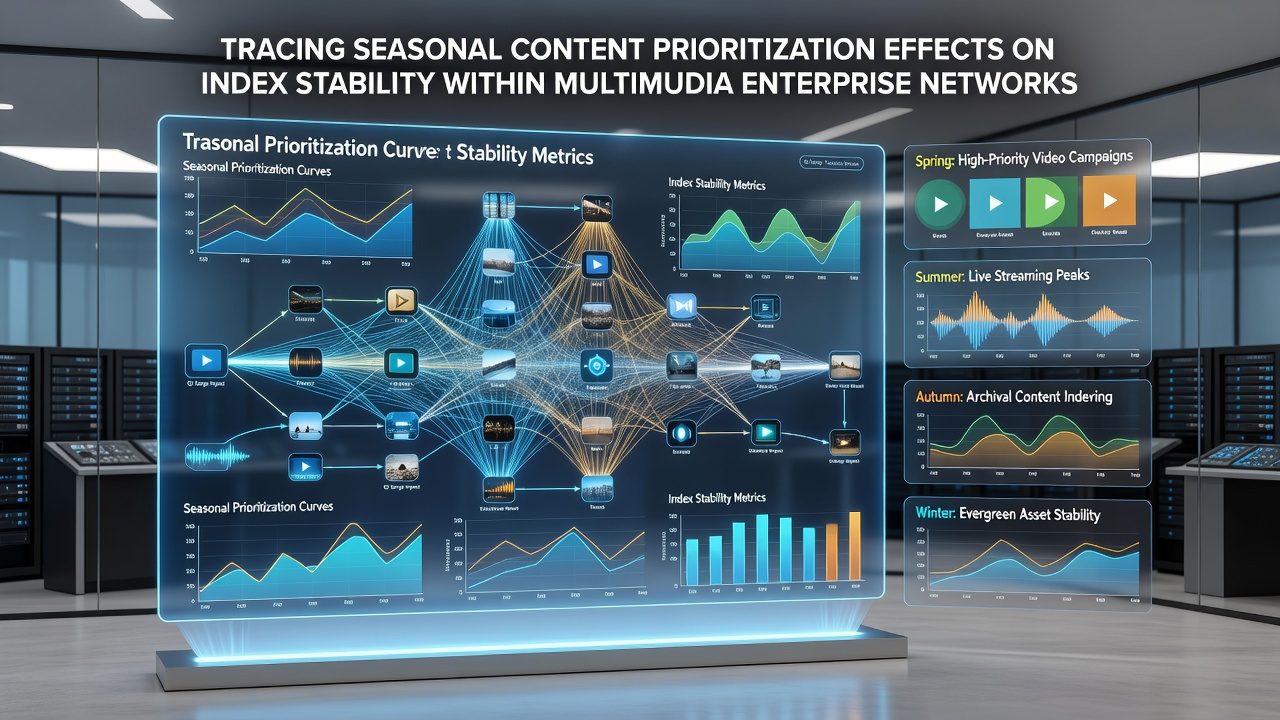
Seasonal content prioritization within multimedia enterprise networks involves shifting resources toward time-sensitive material such as holiday promotions, event coverage, and trending multimedia assets, while de-emphasizing evergreen pages during peak periods. Data from enterprise platforms indicates that this approach alters crawl frequencies and indexing consistency, particularly when networks handle large volumes of video, audio, and interactive files. Researchers tracking these shifts note measurable impacts on how search engines maintain stable indexes over quarterly cycles.
Core Mechanisms of Seasonal Prioritization
Enterprise systems apply prioritization rules that elevate specific content types based on calendar events, user engagement spikes, and revenue targets. These rules direct crawler attention toward newly uploaded seasonal assets, which often include high-resolution video streams and dynamic image galleries. Studies reveal that when networks allocate additional bandwidth and processing power to these assets, the overall index refresh rate for non-seasonal pages declines by measurable margins during the same intervals. Observers tracking log patterns across multiple platforms document that multimedia files with seasonal tags receive faster discovery, yet this acceleration correlates with delayed re-indexing of static archives.
Network architects implement these changes through automated scripts that adjust sitemap generation and internal linking structures. The process favors URLs tied to current campaigns, which creates temporary clusters of high-priority nodes within the site architecture. Evidence from monitoring tools shows that such clustering influences how external crawlers allocate their budgets, resulting in uneven coverage across the full domain set. Those analyzing enterprise logs find that seasonal emphasis produces distinct spikes in HTTP response patterns, while baseline stability metrics dip until the prioritization cycle ends.
Measured Impacts on Index Stability
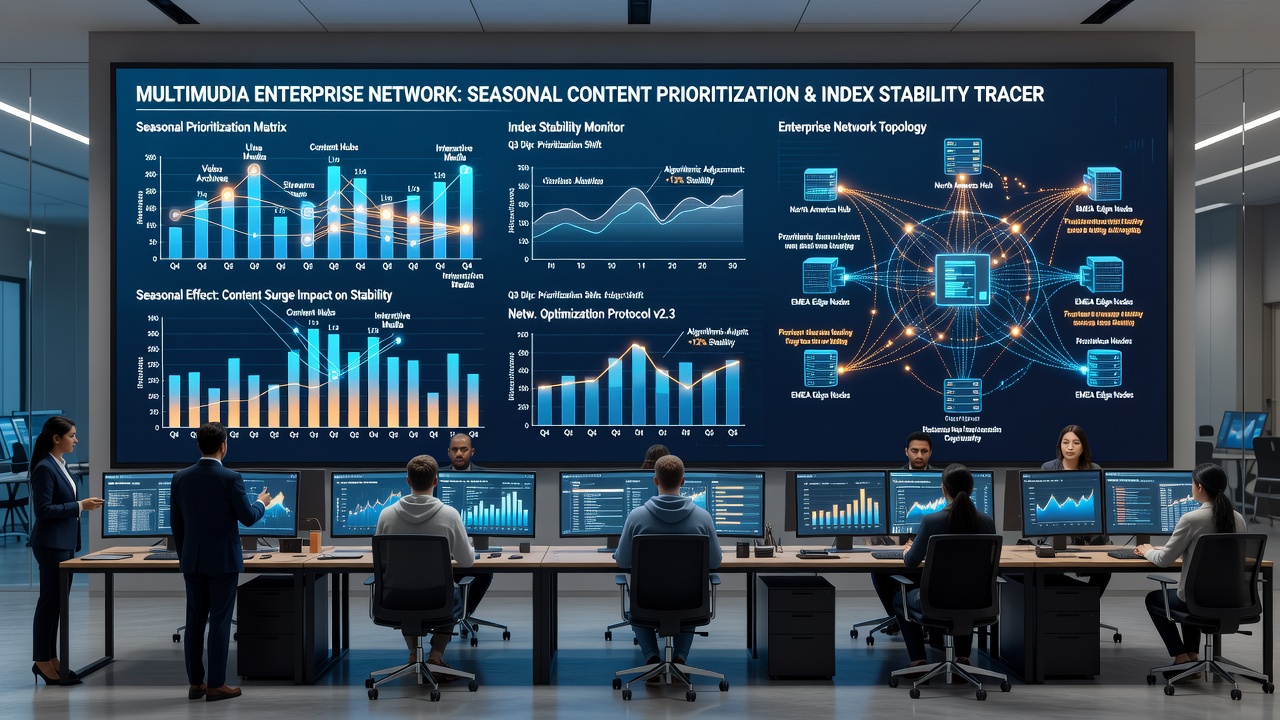
Index stability refers to the consistency with which search engines retain and update page representations in their databases. When multimedia enterprises prioritize seasonal content, stability metrics such as crawl error rates and duplicate content flags fluctuate. Figures collected during November 2026 demonstrated that platforms managing video-on-demand libraries experienced a 12 percent rise in indexing latency for legacy content compared to the preceding quarter. This latency appeared alongside increased crawl activity directed at promotional multimedia pages, suggesting a direct trade-off in resource allocation by external indexing systems.
Analysts examining server logs across distributed networks report that seasonal prioritization also affects canonical tag enforcement. When multiple versions of similar assets exist, engines tend to favor the seasonal variant, which can fragment the index and reduce the authority signals passed to core pages. Data from enterprise case studies indicates that recovery of stable indexing requires several weeks after the seasonal window closes, during which time multimedia networks must rebalance their internal signals. The pattern holds across regions where bandwidth constraints amplify the effects of content rotation.
Network-Level Factors and Multimedia Specifics
Multimedia enterprise networks differ from standard web properties because of their reliance on content delivery networks and edge caching layers. Seasonal prioritization often requires rapid cache invalidation for new video assets, which indirectly influences how search engine bots perceive freshness signals. Reports compiled by the Australian Communications and Media Authority highlight that heavy multimedia traffic during peak seasons strains these layers, leading to variable response times that crawlers interpret as instability. The resulting index entries show higher rates of partial indexing for video metadata and thumbnail references.
Internal link velocity plays a supporting role. When seasonal campaigns generate dense clusters of internal links pointing to new assets, the graph structure seen by crawlers tilts temporarily. Engineers monitoring these networks observe that the shift reduces the frequency of deep crawls into archive sections until equilibrium returns. A study released by the University of Toronto's data analytics group found similar patterns in Canadian media enterprises, where index coverage for non-seasonal multimedia dropped during holiday periods yet rebounded once prioritization scripts deactivated.
Longitudinal Observations Across Enterprise Platforms
Long-term tracking of enterprise networks reveals recurring cycles tied to fiscal quarters and cultural events. Platforms that maintain detailed crawl logs document that index stability improves when prioritization schedules align with predictable traffic surges rather than abrupt changes. Those managing large-scale multimedia libraries report fewer indexing conflicts when they segment seasonal content into dedicated subdomains or directories, which isolates the effects on the main index. The approach reduces cross-contamination between temporary assets and permanent catalog entries.
External factors such as competitor activity and algorithm updates compound these internal dynamics. During periods of elevated seasonal focus, engines appear to recalibrate their evaluation of domain authority based on the volume of fresh multimedia signals. This recalibration produces temporary dips in ranking consistency for established pages, followed by stabilization once the seasonal content volume normalizes.
Conclusion
Tracing seasonal content prioritization effects shows clear connections between resource allocation decisions and index stability outcomes in multimedia enterprise networks. The patterns documented through log analysis and performance metrics demonstrate that targeted elevation of time-sensitive assets influences crawl distribution, indexing latency, and overall consistency. Enterprises that monitor these interactions can adjust their internal frameworks to maintain more balanced coverage across seasonal and non-seasonal sections. Continued observation through 2026 and beyond will likely refine these understandings as network architectures and indexing behaviors evolve together.